
Rotary Cooler: The Temperature Regulation Expert in Industrial Production
In numerous industrial production fields, the Rotary Cooler plays a crucial role, acting like professional temperature regulators that precisely control material temperatures to ensure smooth production processes and consistent product quality.
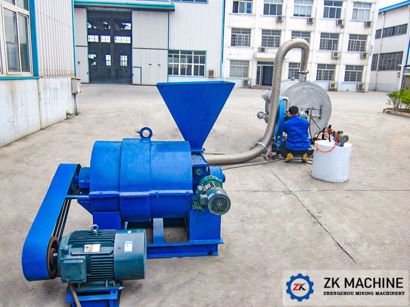
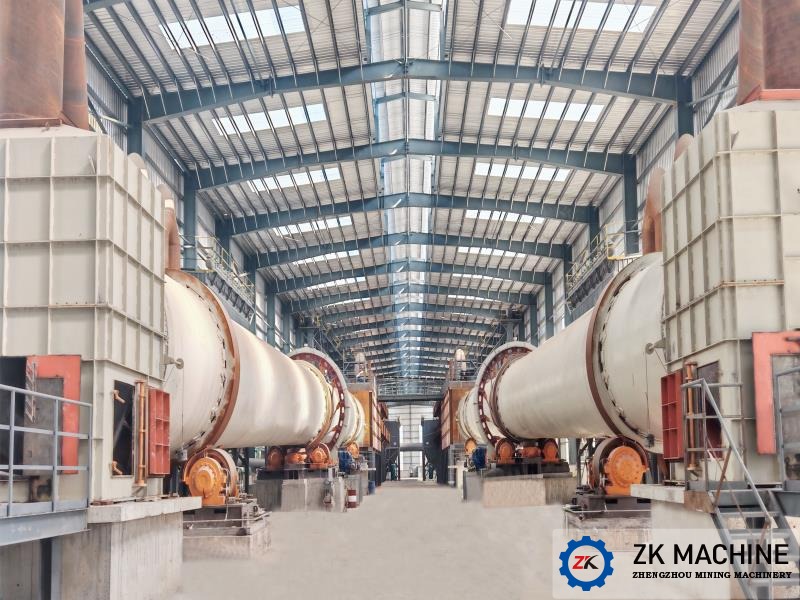
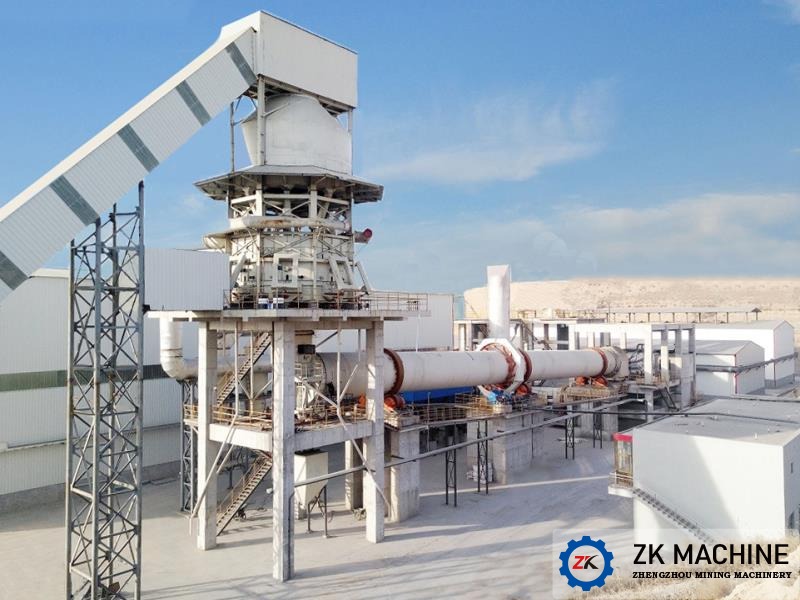
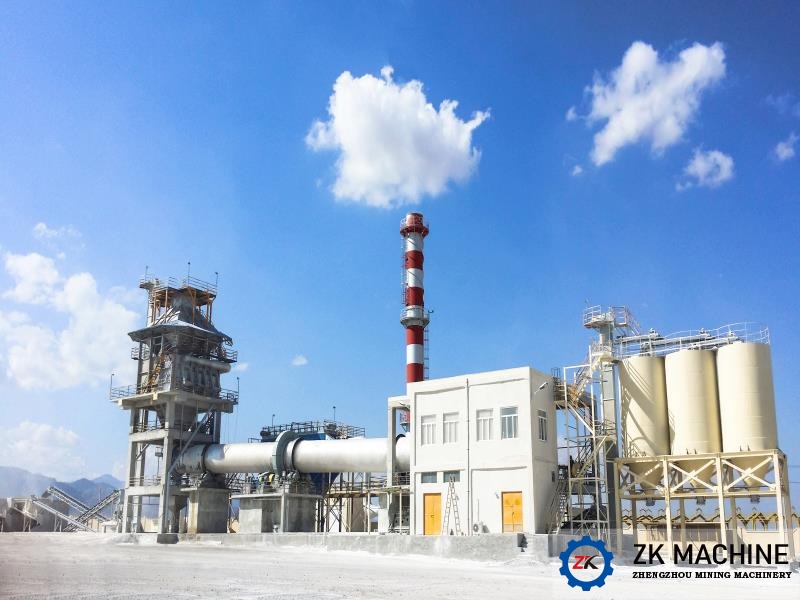
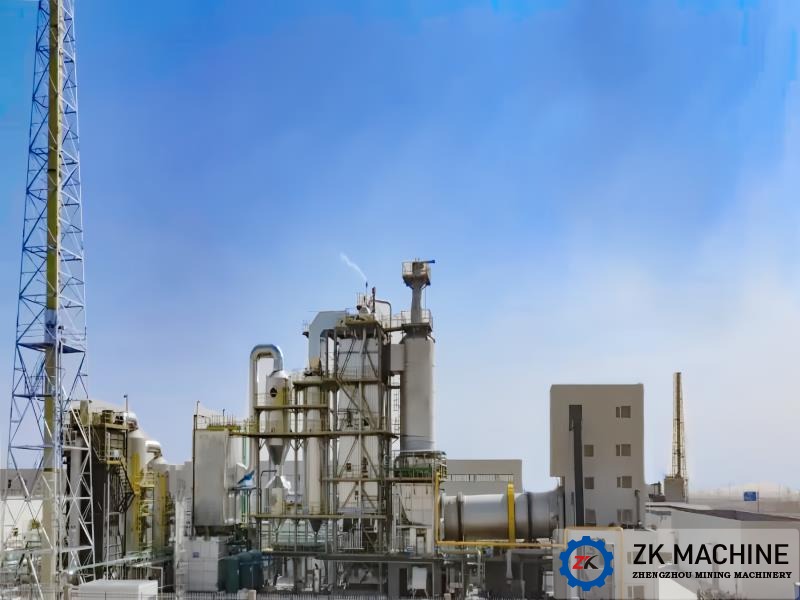
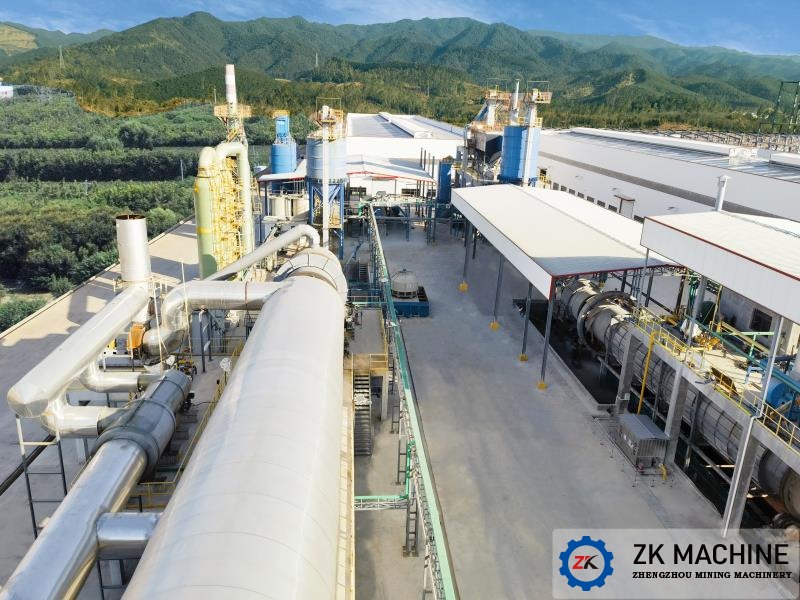
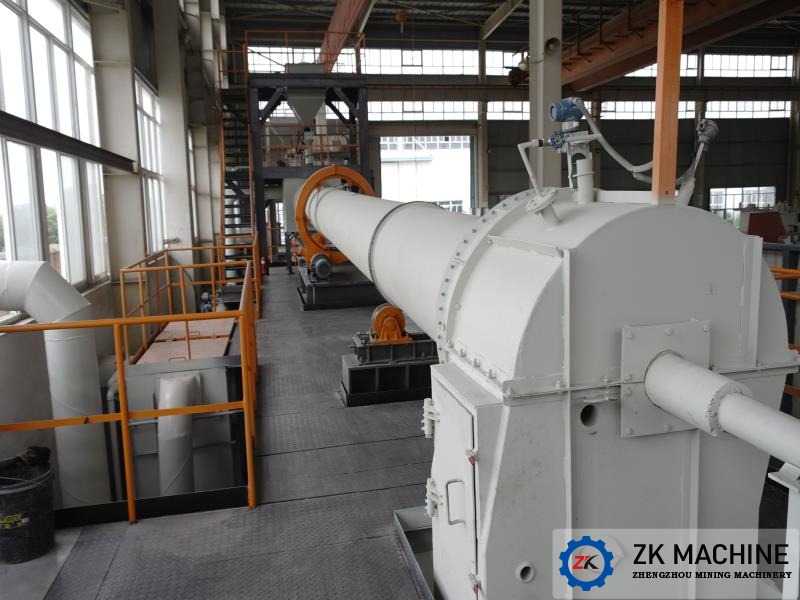
The cooler, also known as the Rotary Cooler, is one of the main equipment configurations in the rotary kiln production system. Its structure design is relatively simple, yet it possesses stable performance and reliable operation capabilities. In the production of compound fertilizers, it undertakes the important task of cooling fertilizers of a certain temperature and particle size. It is often used in conjunction with a dryer. Through the action of the cooler, the cooling speed can be significantly increased, reducing the labor intensity of workers, and improving the output. It can also further remove some moisture from the fertilizer, lowering the particle temperature of the compound fertilizer, and enabling the fertilizer to reach better storage and usage conditions. Moreover, the application scope of the cooler is not limited to the production of compound fertilizers; it is also indispensable for the cooling of other powdered and granular materials.
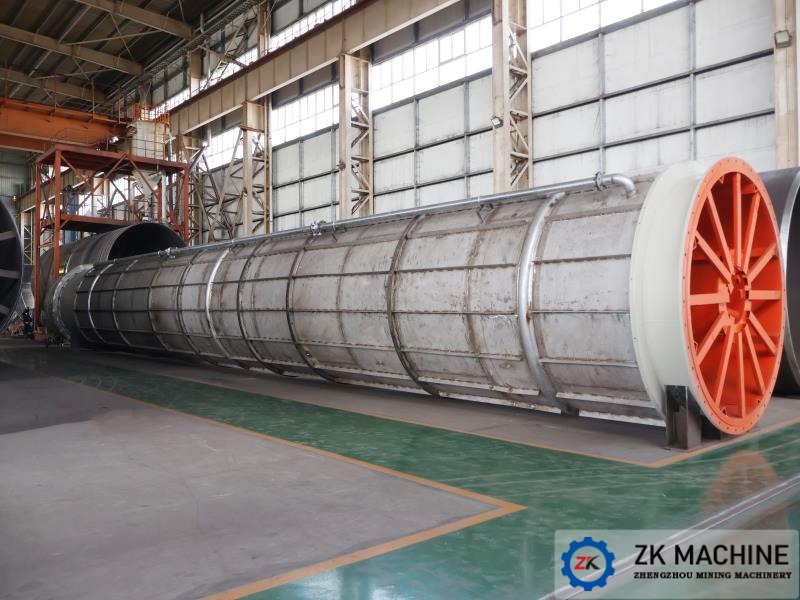
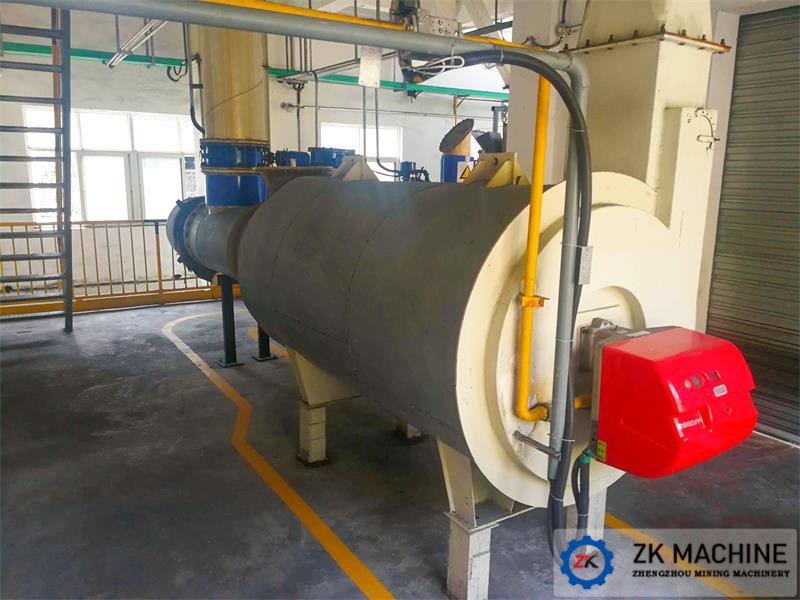
The performance characteristics of the cooling machine are highly outstanding. Taking the single-tube cooling machine as an example, it can fully introduce the air after cooling the materials into the kiln as secondary circulation air. This ingenious design significantly improves the thermal efficiency of the kiln. At the same time, it is very convenient to operate and maintain, and its simple structure leads to a high operating rate, making it particularly suitable for small cement plants and other production scenarios. From the technical parameters, the Rotary Cooler of different specifications have different production capacities, rotational speeds, motor models, power, reducers, and total weights. For example, a Rotary Cooler with a specification of φ1.2×12 has a production capacity of 1.9 - 2.5t/h, a rotational speed of 4.5r/min, equipped with a motor model of Y160L - 6, a power of 11KW, and a ZQ50 reducer, with a total weight of 22t. The grate cooler also has its unique technical parameters. Different specifications of grate cooler vary in production capacity, bed thickness, discharge temperature, and motor power. For example, a grate cooler with a specification of 509H - 723H has a production capacity of 800t/D, a bed thickness of 600mm, a discharge temperature of 65℃, and a motor power of 22KW. In addition, there is the SKLN series counter-flow cooling machine, and different models of this series have their own characteristics in terms of output, cooling volume, cooling time, cooling material temperature, and power. For example, the SKLN1.5 model has an output of 1 - 2T/h, a cooling volume of 1.5, a cooling time of no less than 10 minutes, a cooling material temperature of room temperature + 3 - 5℃, and a power of 0.75 + 0.37KW.
In actual industrial production, the working principle of the Rotary Cooler is to achieve material cooling through heat exchange. It uses cooling media such as cold air or cold water to come into full contact with the hot materials, allowing the heat in the materials to transfer to the cooling medium, thereby achieving the purpose of lowering the temperature of the materials. During this process, the internal structure design of the Cooler is very crucial. Factors such as the reasonable ventilation ducts, heat exchange area, and the flow pattern of the cooling medium all directly affect the cooling effect and efficiency.
The maintenance and upkeep of the cooling machine should not be overlooked either. Regular inspections of the cooling machine are necessary to ensure that all its components are functioning properly. Clean the accumulated dust and debris inside the machine in a timely manner to prevent them from affecting the heat exchange efficiency. For the transmission components, add lubricating oil regularly to ensure smooth operation. At the same time, based on production requirements and the operating condition of the equipment, adjust the parameters of the cooling machine reasonably to achieve a better working state.
With the continuous development of industrial technology, cooling machines are also constantly being updated. The new types of cooler have made significant progress in energy saving, high efficiency, and intelligent control. In the future, cooling machines will develop in a direction that is more environmentally friendly and energy-efficient, providing stronger support for the continuous progress of industrial production.