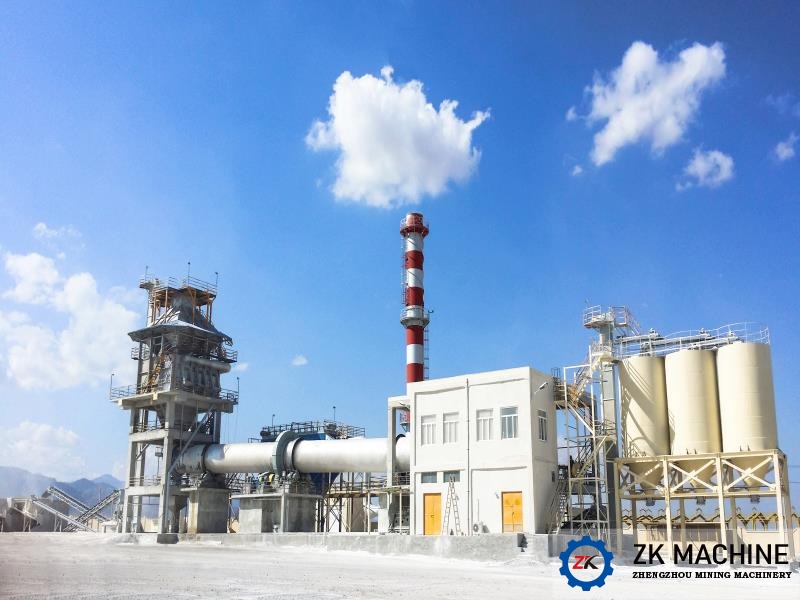
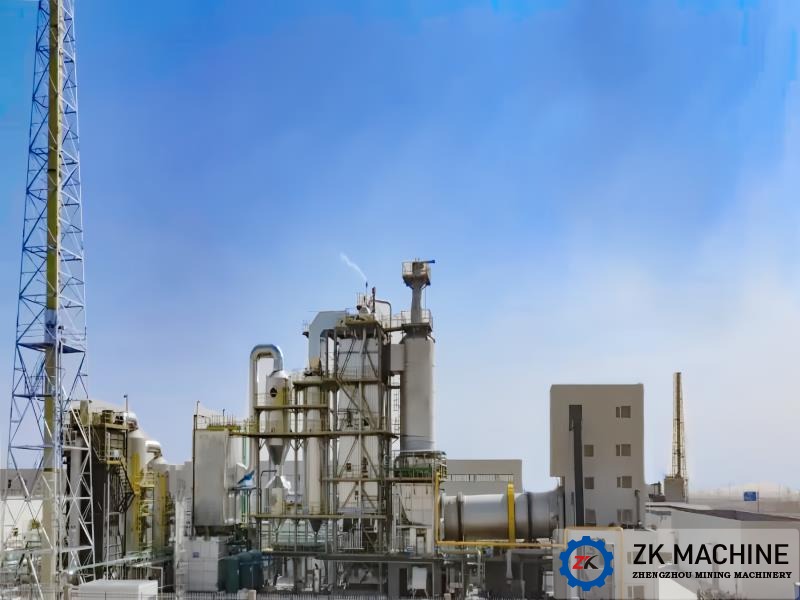
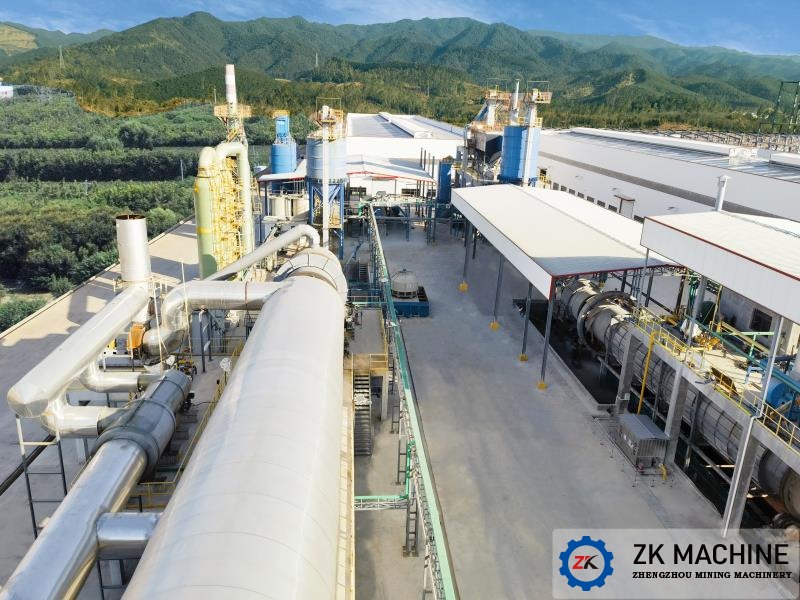
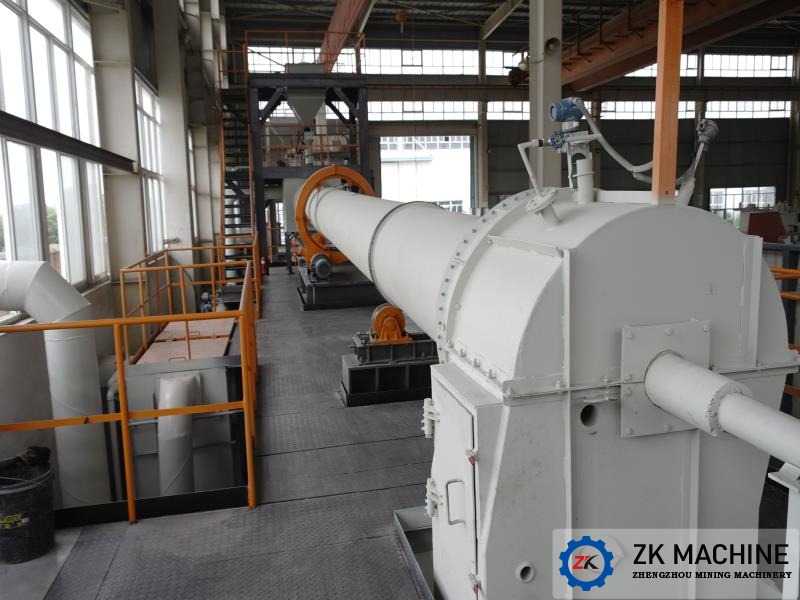

High-efficiency and energy-saving vertical cooling machine: A solution for cooling materials in multiple industries
In the core section of industrial production, the efficiency of material cooling directly affects product quality and energy consumption costs. The vertical cooling machine, with its unique technical advantages, is becoming an energy-saving tool in fields such as metallurgy, construction materials, and chemical industry, providing efficient and reliable solutions for the processing of high-temperature materials.
1. Core advantage: High efficiency and energy conservation
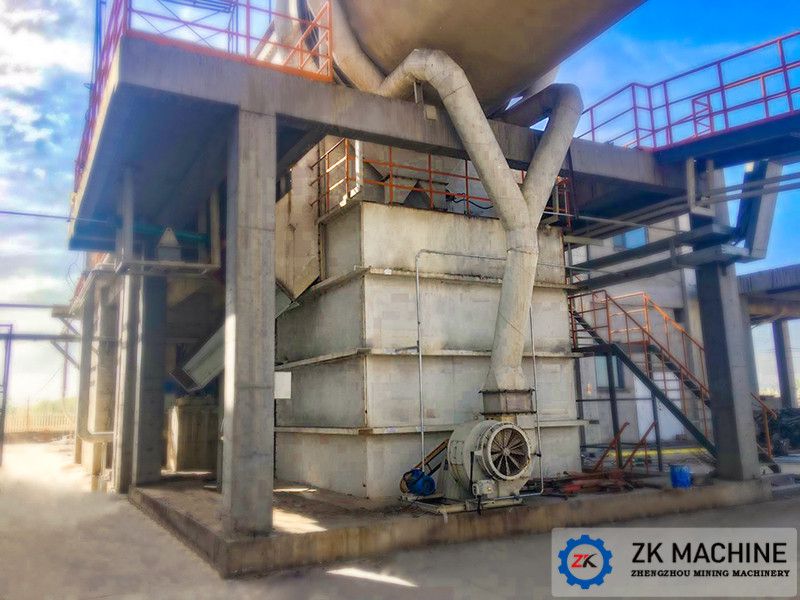
The vertical cooling machine adopts a vertical cylindrical structure. Through the reverse heat exchange between cold air and high-temperature materials, it achieves rapid cooling. Its multi-chamber discharge design, combined with the forced air supply system, enables the material temperature to drop rapidly from 300-400℃ to 100-200℃. The hot air is then recycled as secondary energy, significantly improving the overall thermal efficiency. The equipment has few wear parts and no exhaust emissions, which better aligns with the green production concept, reducing the operating costs of the enterprise by over 30%.
2. Suitable Industry
(1) metallurgical industry
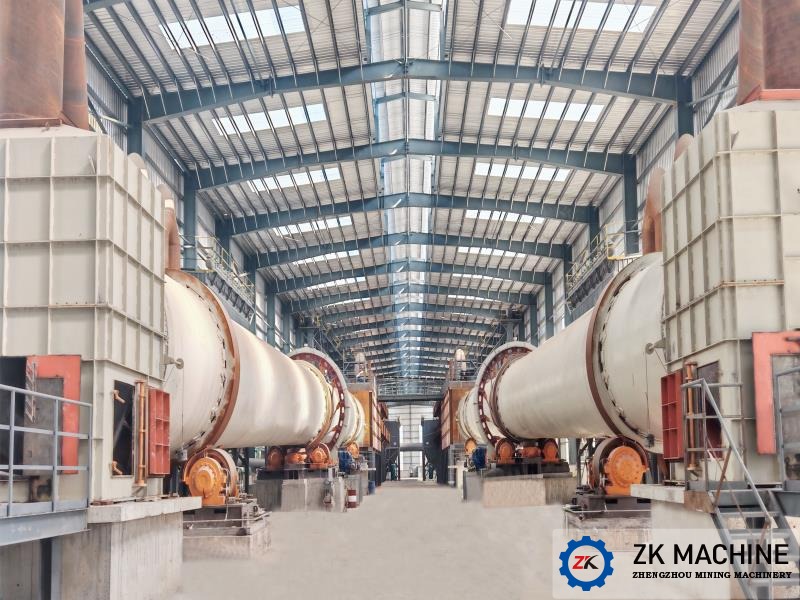
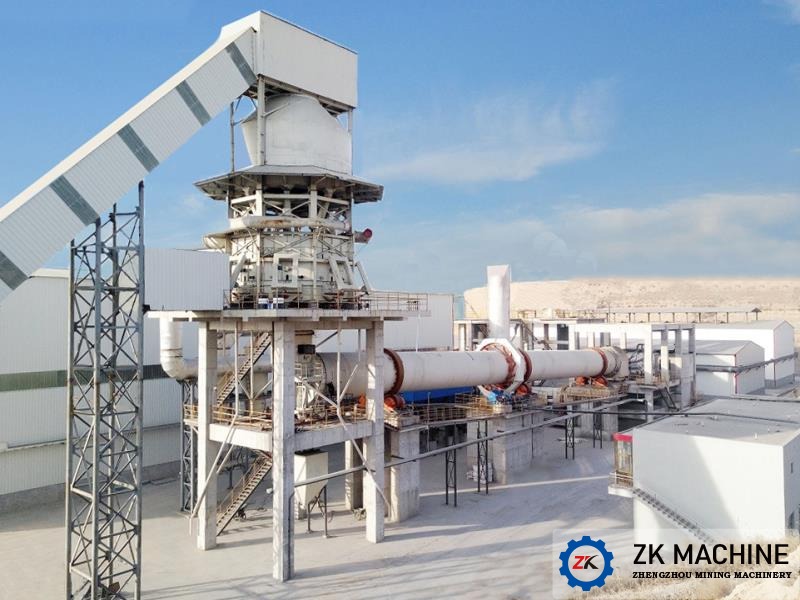
It is used in conjunction with rotary kilns to process high-temperature materials such as active lime and blast furnace slag. The cooled hot air is reintroduced into the kiln for calcination, forming an energy circulation system. In the application of hydrogen metallurgy technology, the vertical cooling machine can be adapted to new types of materials such as high-purity cast iron, helping to achieve a low-carbon transition.
(2) Construction Materials
Suitable for the cooling of cement clinker and ceramic raw materials. It achieves continuous operation through a vibrating discharger, avoiding dust pollution and enhancing product stability.
3. Suitable Material:
Conventional high-temperature materials: such as metallurgical sintered ore and building materials calcined products, with a temperature range of 300 - 800℃;
Special chemical materials: These include high-purity chemical reagents and biomedical intermediates, which must be protected from contamination and temperature fluctuations.
Composite materials: such as metal alloys and new types of ceramics. During the cooling process, the growth of crystal structure needs to be controlled.
4. Selection Tips:
Material characteristics: Select the material of the air cap based on hardness and corrosiveness.
Production capacity requirements: Customized cylinder size and air volume configuration
Environmental protection standard: Opt for the enclosed design that has no exhaust emissions.