
Rotary Kiln Calcination Technology: Environmental Benefits and Ecological Protection
In the course of industrial development, large quantities of hazardous waste generated by industries such as steelmaking and chemicals containing heavy metals and toxic organic compounds pose severe risks of soil, water, and air pollution if improperly managed, becoming a major obstacle to enterprises’ green transformation. Addressing hazardous waste disposal requires urgent, efficient, and environmentally sound solutions.
Among various disposal technologies, rotary kiln calcination stands out as the industry’s “main force” due to its high processing capacity, strong adaptability, and thorough detoxification. It has been recognized by the Basel Convention as “Best Available Technology (BAT)”, harnessing high-temperature power to transform “hazard” into “safety”.
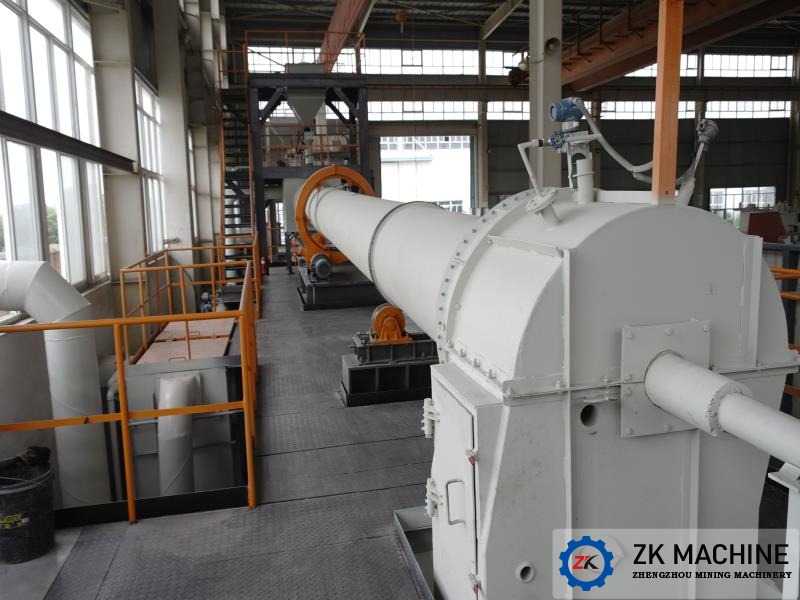
Unlike the limitations of conventional landfilling or solidification, rotary kiln calcination achieves the triple objectives of waste minimization, harmless treatment, and resource recovery through “high-temperature decomposition + resource utilization”. Its process is rigorous: pre-treatment steps—including sorting and crushing—ensure stable feed material entering the kiln, thereby mitigating safety risks.
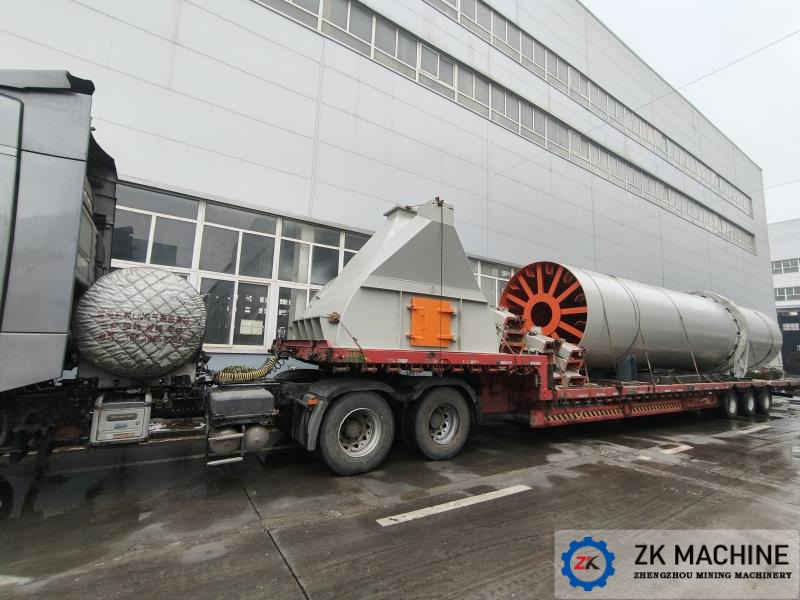
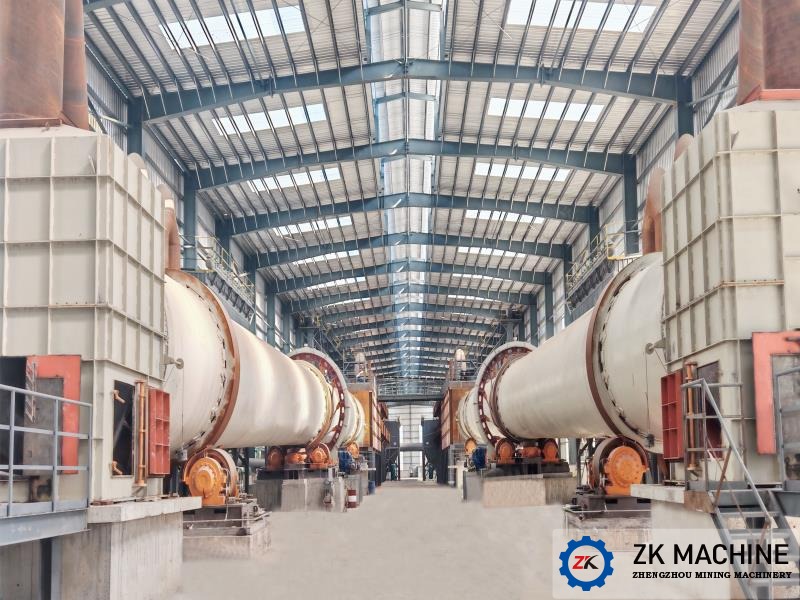
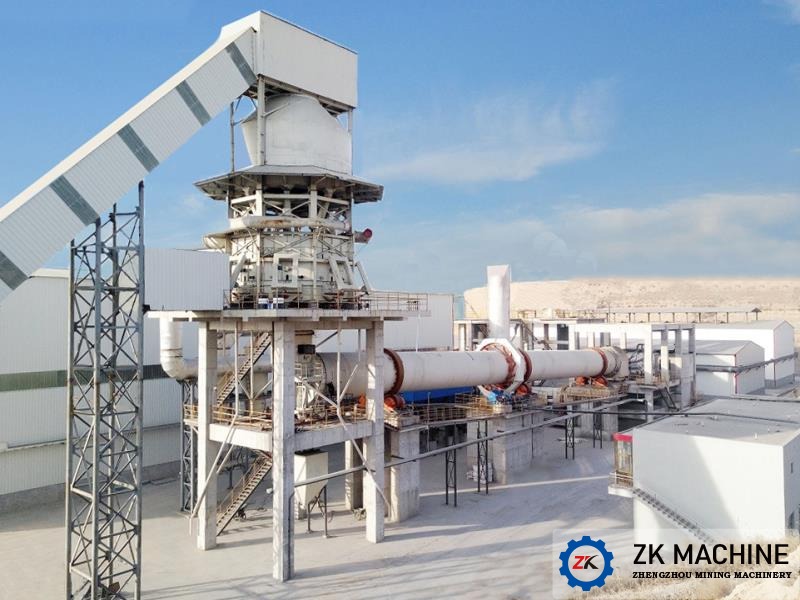
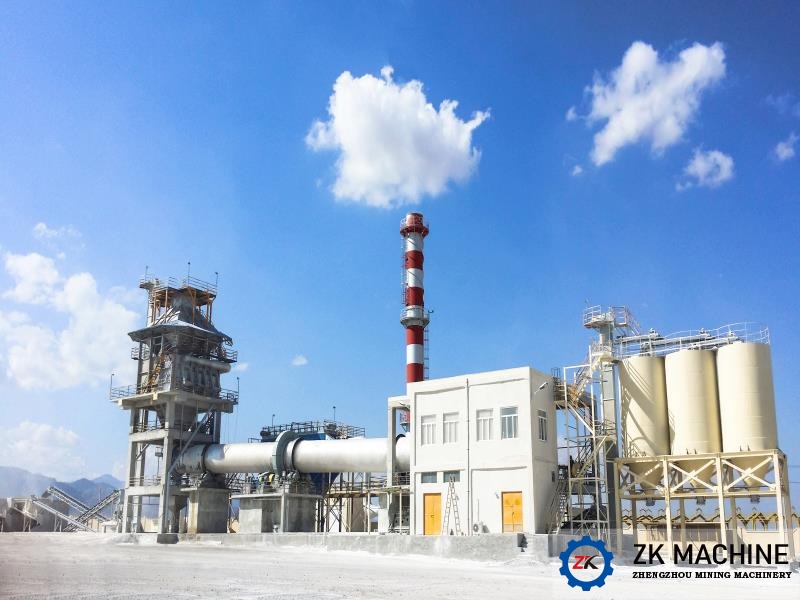
High-temperature calcination is the core stage: the kiln’s inner wall is lined with heat-resistant materials capable of withstanding temperatures above 1000 °C. Rotation of the cylindrical body ensures uniform mixing of hazardous waste, while temperatures of 800–1200 °C completely decompose organic pollutants and melt-solidify heavy metals, eliminating hazards at the source.
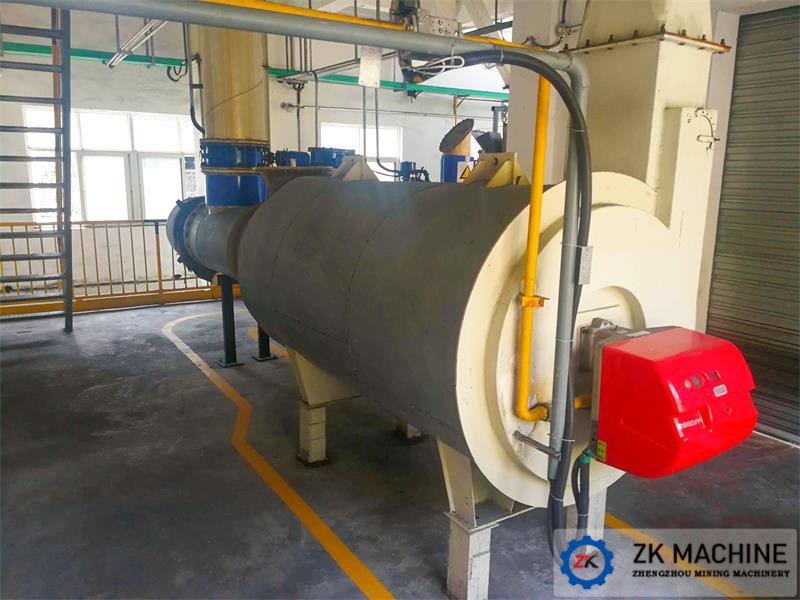
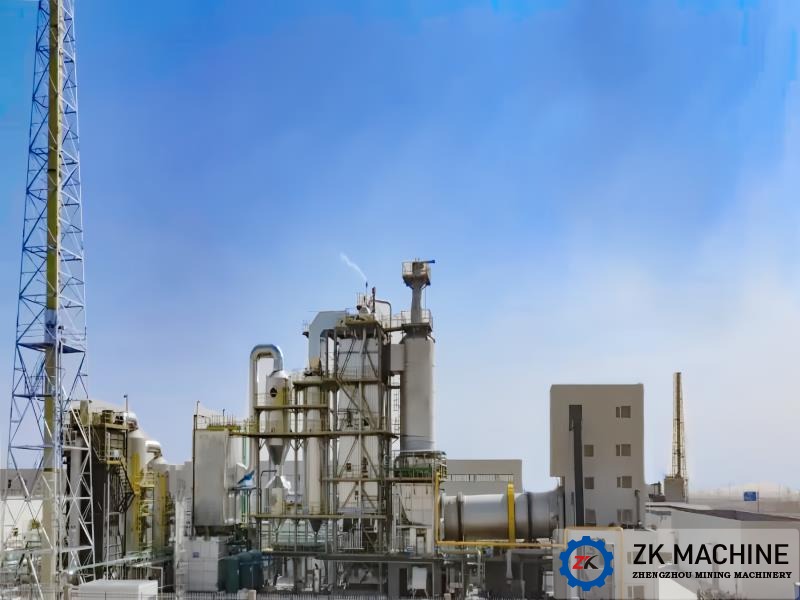
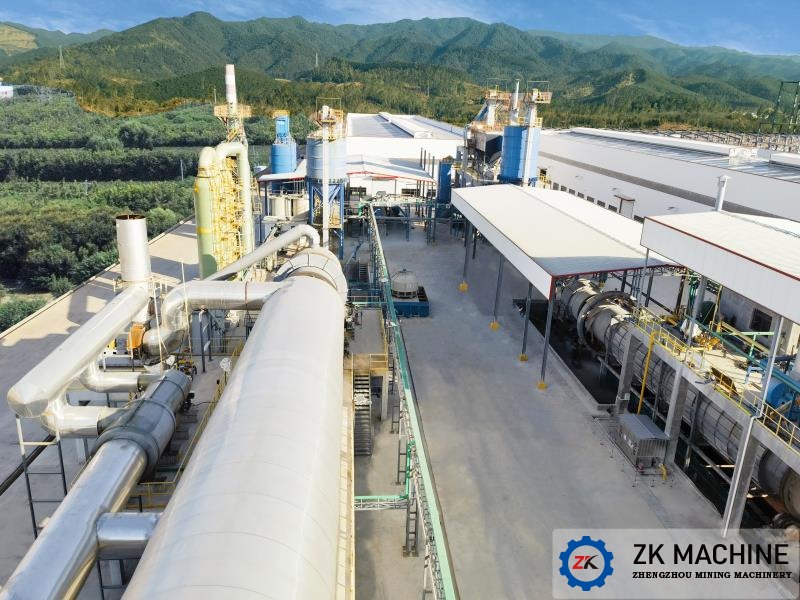
The rotary kiln system is equipped with comprehensive environmental protection facilities: a secondary combustion chamber operates at 1100–1300 °C to decompose dioxins, ensuring emissions fully exceed national standards; waste-heat recovery enables energy recycling, and subsequent purification systems guarantee that flue gas meets discharge standards, preventing secondary pollution.
Resource recovery yields remarkable results: zinc-containing dust and sludge can be processed to extract zinc oxide (ZnO), while bottom ash can be utilized in construction materials and road building, transforming hazardous waste into valuable resources.
Tempered by high-temperature refinement, the technology remains committed to its original mission—safeguarding ecology through innovation. Rotary kiln calcination technology resolves hazardous waste challenges through scientific and technological advancement, supports green industrial transformation, and injects enduring technological power into the construction of a clean and ecological home.