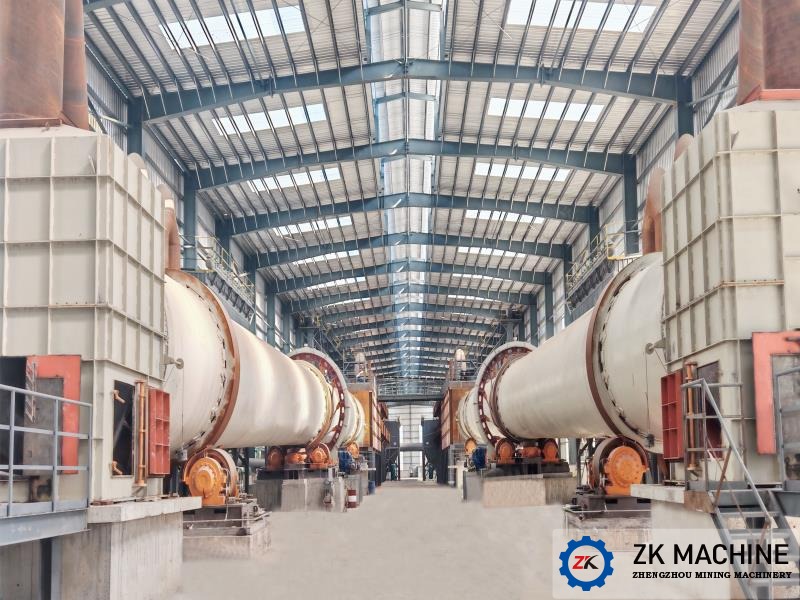
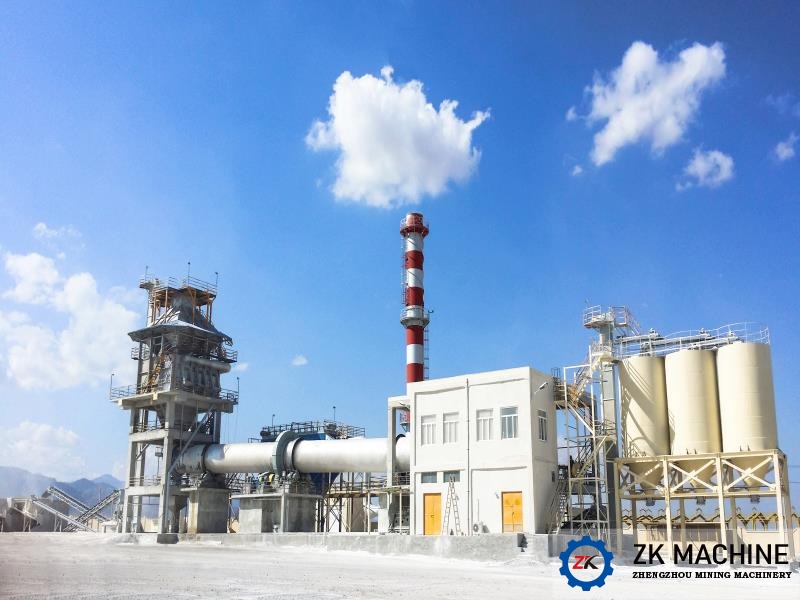
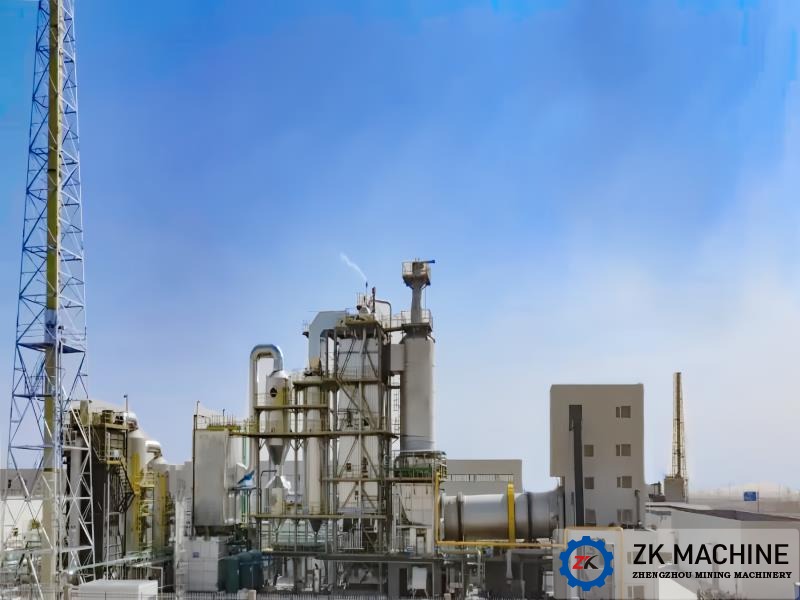
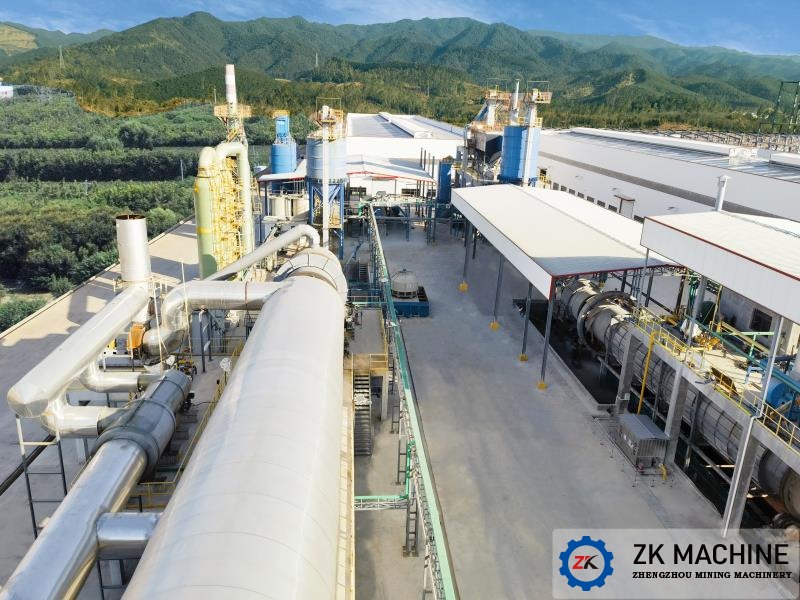
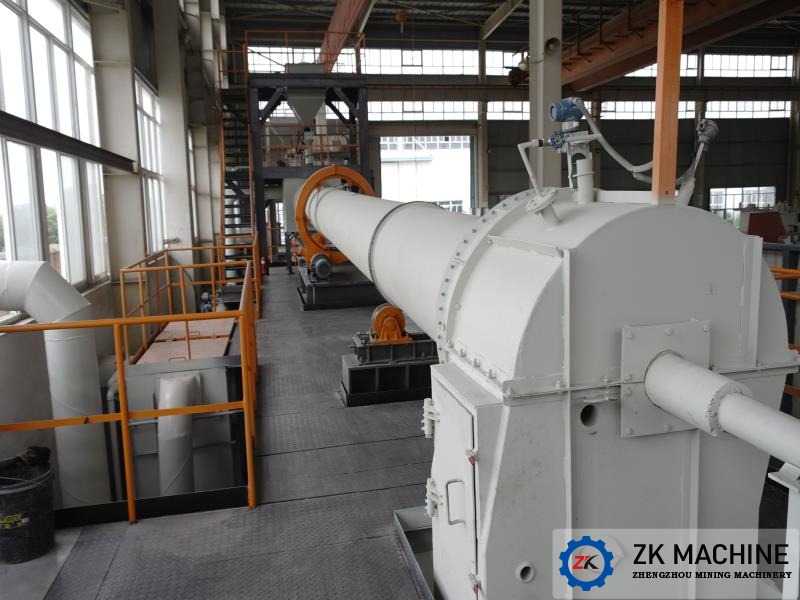
As a lime solution provider, we can customize EPS projects for limestone calcination according to real working conditions. We can supply both rotary lime kilns and vertical lime kilns. Our service covers whole lime plant design, lime equipment/spare parts fabrication, lime plant upgrade, engineer onsite supervision, technical consultant etc.
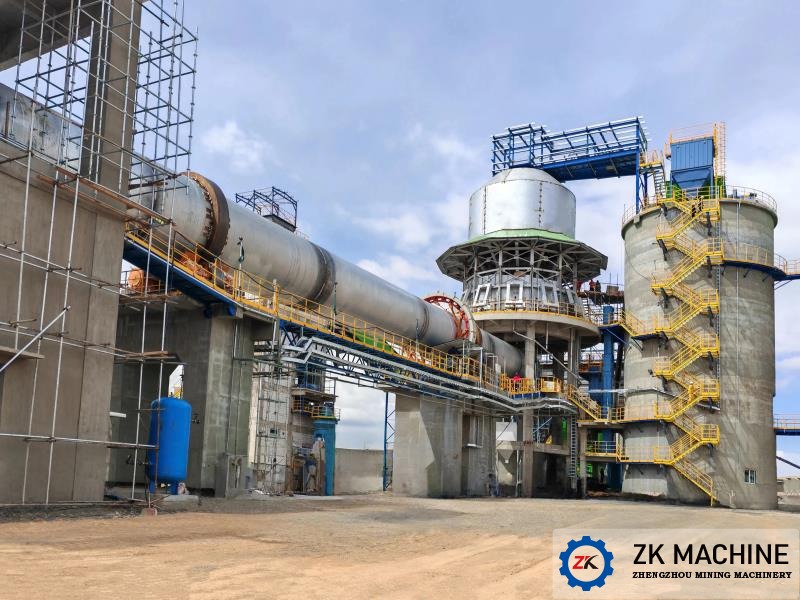
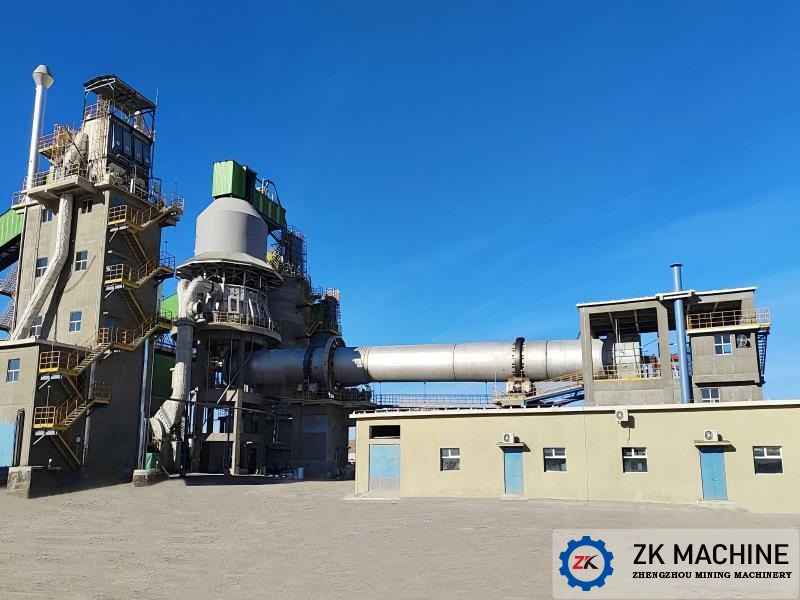
Introduction
Lime is a critical raw material in steelmaking (as a flux to remove impurities), in flue gas desulfurization for power plants, in water and wastewater treatment, in the production of construction materials like cement and mortar, and in countless chemical processes.
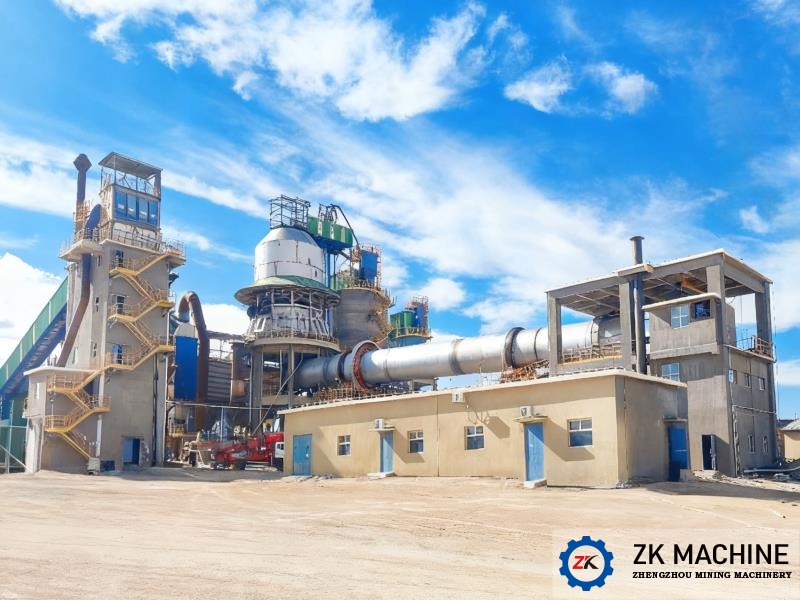
As a lime solution provider, we can customize EPC projects for limestone calcination according to real working conditions. We can supply both rotary lime kilns and vertical lime kilns. Our service covers whole lime plant design, lime equipment/spare parts fabrication, lime plant upgrade, engineer onsite supervision, technical consultant etc.
Lime (quicklime) is traditionally produced by calcining limestone, which is rich in calcium carbonate. Chalk and dolomite are also used as a raw material in some industrial lime production processes. Beyond this conventional source, our company has developed an innovative process to calcine quicklime from industrial waste, specifically sugar plant residues and papermaking white mud. This technology is already proven in successful projects in the UAE.
Advantages
1. The combustion equipment uses energy-saving burners to automatically control the air distribution volume to reduce the loss of incomplete fuel combustion.
2. Rotary kiln refractory bricks adopt light-weight insulation on the outer layer and composite bricks with refractory and wear-resistant inner layer to reduce heat dissipation from the outer skin of the rotary kiln.
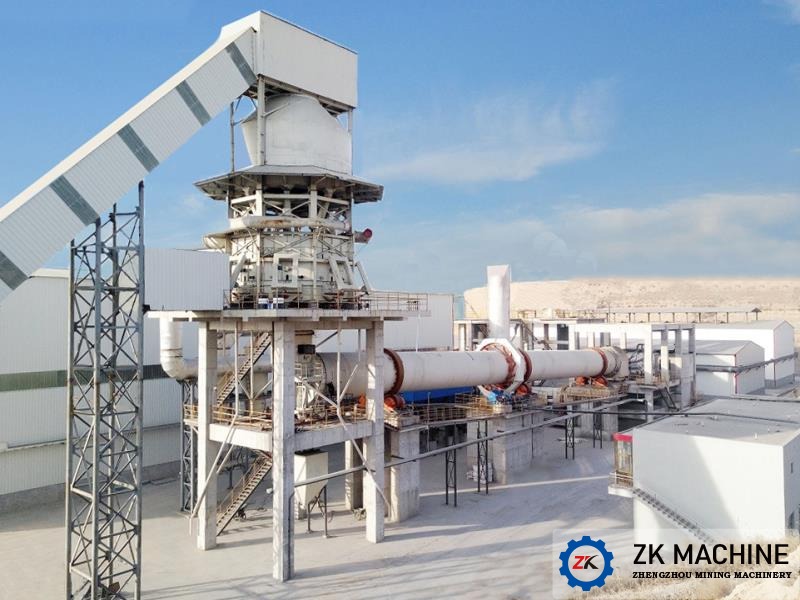
3. There is a vertical preheater at the end of the rotary kiln, which makes full use of the high-temperature flue gas produced by the combustion of the rotary kiln to preheat the materials in the preheater, so that the materials are partially decomposed in the preheater.
4. A vertical cooler is installed at the head of the rotary kiln to make full use of the heat contained in the high-temperature calcined white material of the rotary kiln to preheat the secondary air to 600°C, which improves the thermal efficiency. Yaotou mining
5. The vertical cooler and the kiln hood are integrated in the design and construction, which has a small footprint and good sealing, which effectively avoids the fugitive emission of hot exhaust gas.
6. The kiln tail is environmentally friendly and dust collection is good. The cyclone dust collector and pulse bag filter are used for secondary dust removal, and the emission concentration is lower than the standard.
7. The level of automation is high. The adjustment, control and alarm of the production system are controlled by PLC in the main control room. There are few on-site operators and high labor efficiency.
Technology
(1) Raw material storage, transportation and delivery
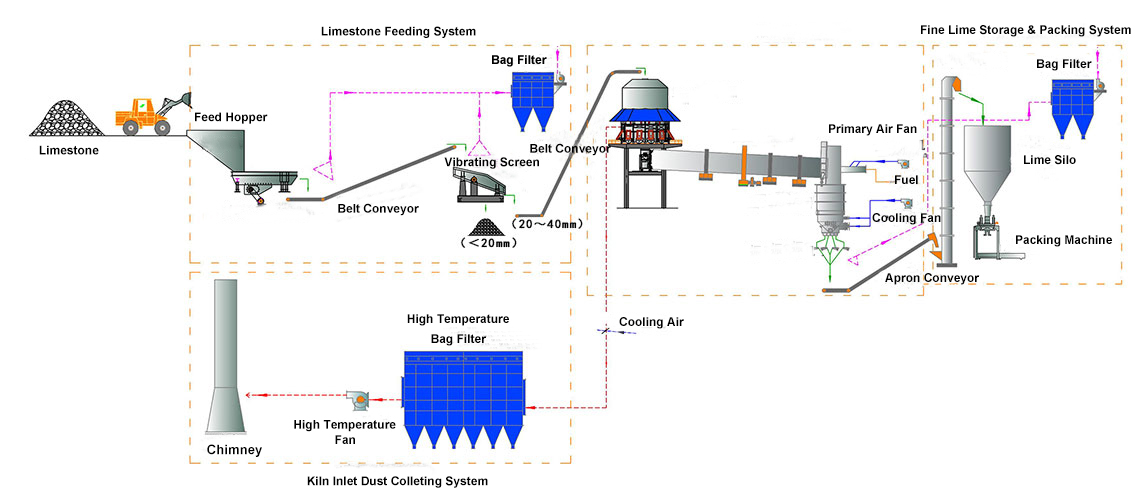
Limestone with a particle size of 10-50mm is transported to the factory area and stacked in the stockyard. Loaders are used for the stockyard operations. The material with qualified particle size is loaded into the receiving trough set up in the material yard by the loader, and under the receiving trough is quantitatively fed by the feeder, the stone is fed to the large inclination conveyor, and then sent to the screening building, where the limestone is screened After being divided, the qualified particle size is weighed and sent to the silo on the top of the preheater by a large inclination conveyor. The powder under the sieve is sent to the storage yard by the 3# conveyor and is regularly transported out by a forklift.
(2) Limestone calcination
Limestone calcination is composed of a vertical preheater + a rotary kiln + a vertical cooler, with an output of 100~1200t/d. The material is introduced into the preheater body from the silo on the top of the preheater through the discharge chute, and at the same time by the rotary kiln The incoming high-temperature flue gas preheats the material to above 1000°C to partially decompose the limestone, and then is pushed into the tail of the rotary kiln by a hydraulic push rod in turn, after being calcined at a high temperature in the rotary kiln, it is discharged into the cooler and blown in by a fan The material is cooled by the cold air, and the material is cooled to the ambient temperature +60 ℃ or less and discharged from the cooler. The air blown in by the cooler enters the rotary kiln as secondary air to participate in combustion.
(3) Finished product delivery
The finished lime is unloaded from the cooler and transported to each finished lime storage by chain conveyor, bucket elevator and belt conveyor. The discharge valve under the lime storage silo is used to load the lime in the silo into cars and tankers for transportation. Set up storage silos of different sizes according to customers' reserve requirements.
The finished product silo adopts circular silo, 2 5-50mm finished product silo, 1 finished product silo less than 5mm, the volume of each silo is about 800t;
(4) Flue gas treatment
The high-temperature flue gas generated by the combustion of the rotary kiln is exchanged with limestone in the preheater, and the temperature is reduced to below 250 ℃, and then enters the cyclone dust collector for primary dust collection to collect large particles of dust, and then It enters the bag filter and is discharged into the atmosphere by a high-temperature fan after dust removal. The dust concentration of the exhaust gas is less than 30mg/m3. A cold air control system is installed at the inlet of the dust collector to protect the dust collector.
Parameter
| Capacity (t/d) | 150 | 200 | 250 | 300 | 350 | 400 | 500 | 600 | 800 | 1000 | 1200 |
|---|---|---|---|---|---|---|---|---|---|---|---|
| Main Equipment | Main supporting equipment models and technical and economic indicators | ||||||||||
| Vertical Preheater | YRQ04 | YRQ06 | YRQ06 | YRQ08 | YRQ08 | YRQ10 | YRQ12 | YRQ12 | YRQ14 | YRQ18 | YRQ20 |
| Rotary Kiln | φ2.5×40m | φ2.8×43m | φ3.0×48m | φ3.2×50m | φ3.3×52m | φ3.6×55m | φ3.8×58m | φ4.0×60m | φ4.3×65m | φ4.9×70m | φ5.1×72m |
| Vertical Cooler | LSF36 | LSF44 | LSF56 | LSF80 | LSF112 | ||||||
| Calcination Temperature /℃ | 1100±50 | ||||||||||
| Energy Consumption Index /(kCal/kg) | 1200±100 | ≤1150 | ≤1100 | ||||||||
| Power Consumption Index /(kW·h/t) | 40±5 | ||||||||||
| Limestone: Lime | 1.7~1.78:1 | ||||||||||
| Light and Over burnt Rate /% | ≤5 | ||||||||||
| Lime Activity /ml | ≥340(depends on the composition of limestone) | ||||||||||
| Lime Discharging Temperature /℃ | Ambient Temperature +60 | ||||||||||
| Limestone Feeding Size /mm | 10~20/20~40 | ||||||||||
| Emission Concentration /(mg/Nm3) | ≤10 | ||||||||||
| Annual Working Day / Days | ≥340 | ||||||||||
| Overhaul Cycle / Year | 1~3 | ||||||||||
| Labor / Shift | 2~3 | ||||||||||
| Applicable fuel | Coal powder, Coke oven gas, Semi-coke furnace gas, Converter gas, Blast furnace gas, Calcium carbide furnace gas, Natural gas, Diesel oil, Heavy oil, Liquefied petroleum gas, biomass fuel etc. | ||||||||||
Note: This configuration table is for reference only and varies according to project site conditions and customers requirements.
Contact Us
Send message & get quote